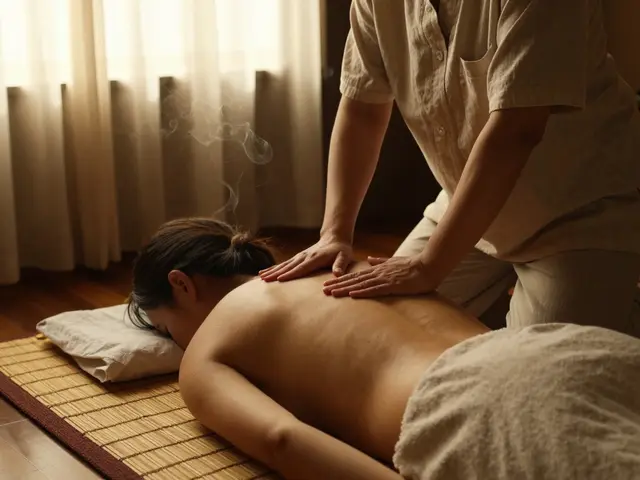
You walk into a clinic wanting relief from swelling, but the therapist gives you a deep tissue scrub down. Or perhaps you want to de-stress after work, only to find yourself sweating out fluids instead of relaxing muscles. Confusion between these two therapies is rampant, largely because clients often assume "massage" means one thing. It doesn't. While both involve hands moving over skin, their mechanics, goals, and physiological impacts are worlds apart.
If you are standing on the fence deciding which booking to make, understanding the distinction is crucial. Getting the wrong type can leave you feeling drained, uncomfortable, or simply unsatisfied with your results. Let’s separate the facts from the marketing fluff so you can target exactly what your body needs.
Understanding Manual Lymphatic Drainage
When therapists speak of Manual Lymphatic Drainage, they are referring to a highly specialized method designed to assist the lymphatic system. Unlike blood circulation, which is pushed by the heart, the lymph system relies on movement and gentle pressure to move waste fluid through nodes.
This technique uses very light, rhythmic pumping motions to encourage lymph flow toward functioning nodes. You won’t feel heavy digging or kneading here. The touch is often lighter than the weight of a coin on the skin. Its primary function is to reduce fluid retention, manage oedema, and support immune function by clearing interstitial fluid.
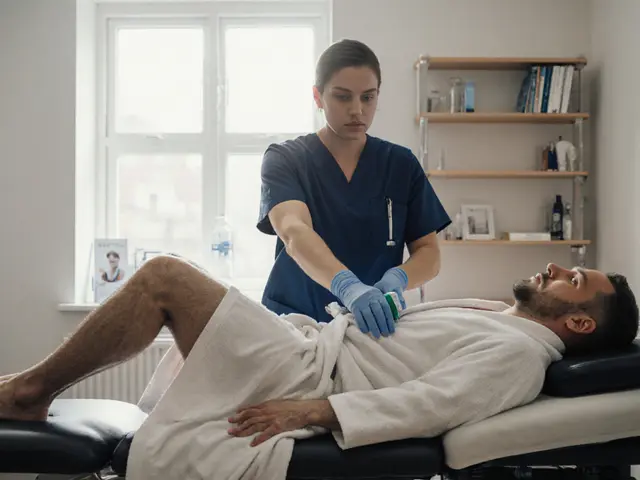
Medical professionals frequently prescribe this after surgeries like breast reconstruction or liposuction. The goal isn’t to relax tight muscles, but to flush out excess water accumulation that causes visible swelling. Because the strokes are so delicate, clients often fall asleep quickly due to the soothing, non-aggressive nature of the session.
What Defines Traditional Massage?
In contrast, Traditional Massage encompasses styles like Swedish Massage and Deep Tissue Therapy. These modalities target the musculoskeletal system rather than the fluid systems.
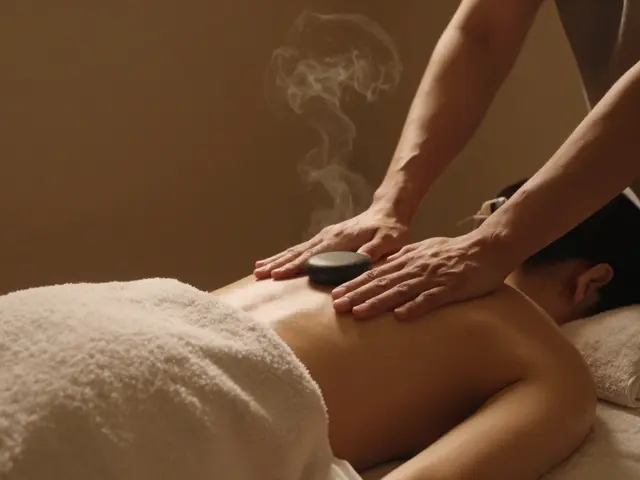
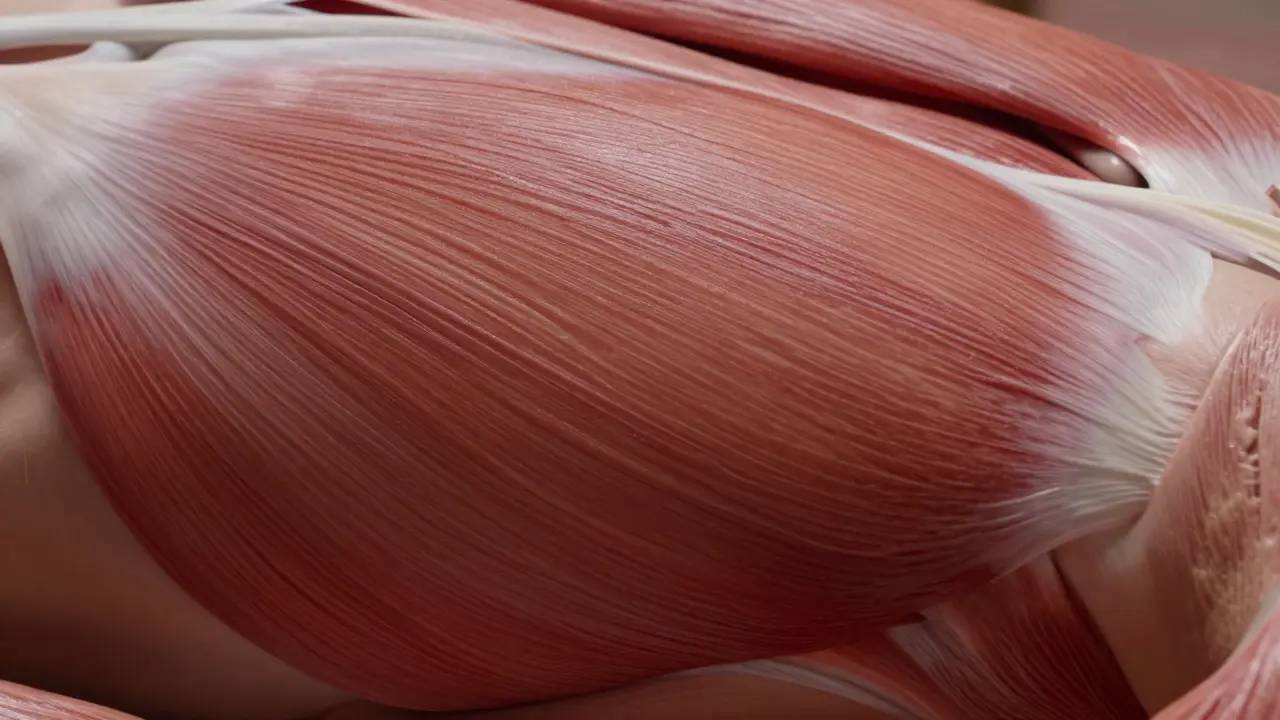
The pressure is significantly firmer. The therapist applies friction, kneading, and tapping to break up adhesions in muscle fascia. Whether you are suffering from chronic back pain or just carrying the weight of the world on your shoulders, traditional massage aims to release tension. It increases local blood flow to nourish tissues, but it does not necessarily aim to drain fluid from the lymph nodes.
This is where the confusion starts. Many spa packages label everything as “relaxing” without distinguishing the mechanism. A Deep Tissue session leaves your muscles pliable but may leave you thirsty and sore. A Manual Lymphatic Drainage session leaves you dry and less swollen, but likely still stiff if you have knots in your neck.
| Feature | Lymphatic Drainage | Traditional Massage |
|---|---|---|
| Primary Target | Lymph Nodes & Fluid | Muscles & Fascia |
| Pressure Level | Very Light (Skin only) | Moderate to Firm |
| Main Goal | Reduce Swelling & Detox | Pain Relief & Relaxation |
| Sensation | Rhythmic Pumping | Kneading & Friction |
When Should You Book Each One?
Choosing between these options depends entirely on your current physical state. If you recently had cosmetic surgery, you absolutely require Lymphatic drainage massage. Your surgeon will likely specify a window of time when the incisions heal enough to handle gentle manual manipulation. Doing traditional massage on fresh scars can disrupt healing and worsen fibrosis.
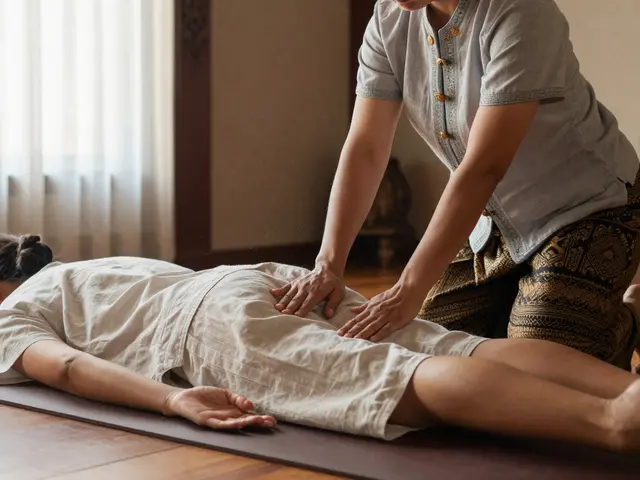
On the other hand, if you sit at a desk all day in Liverpool and your trapezius muscles feel like rock, a traditional Swedish session is the answer. You need the mechanical action to loosen connective tissue. Attempting lymphatic drainage on tight muscles will feel useless because there is no underlying swelling to address.
A third scenario involves seasonal issues. Many clients report feeling bloated and tired during colder months due to slower metabolic rates. In this case, combining treatments works wonders. A weekly routine of drainage helps maintain low fluid levels, while a monthly traditional session keeps the muscles mobile.

Safety and Contraindications
Neither treatment is universally safe for every individual. Standard massage requires caution if you have broken skin or fever. However, lymphatic massage carries specific contraindications that you must know before booking. If you have congestive heart failure, untreated infection, or active blood clots, you cannot undergo this procedure.
Forcing fluid into circulation when your heart cannot pump effectively can strain the cardiovascular system. Conversely, applying deep pressure to a thrombosed area (a clot) in traditional massage could dislodge the clot, leading to life-threatening complications like pulmonary embolism. Always disclose your full medical history to the practitioner.
Therapists are trained to spot red flags. They will measure limb circumference to track progress in swelling cases. If they notice your symptoms do not align with drainage protocols, they should refer you to a medical doctor. Trust your intuition if a treatment feels like it pushes beyond comfort limits.
Benefits Beyond the Session
The aftercare differs significantly between the two paths. After a traditional massage, you are expected to drink plenty of water to flush out released toxins. You might experience mild fatigue or soreness for 24 hours. It acts like a workout for the soft tissue.
After lymphatic drainage, hydration is equally important, but the sensation is usually immediate relief. Clients often describe a feeling of "lightness." Clothes fit better because the temporary edema reduces. Over time, consistent sessions can improve immune response by ensuring the filtration systems operate without blockages.
Can lymphatic massage remove cellulite?
It can help reduce the appearance by improving fluid dynamics under the skin, but it cannot eliminate fat cells permanently. Results depend on overall lifestyle factors.
Is lymphatic massage painful?
No, it should be gentle. Discomfort indicates incorrect technique. If it hurts, ask the therapist to adjust their pressure immediately.
How often should I get treated?
For swelling, weekly sessions are common initially. For maintenance, once a month is sufficient. Traditional massage frequency varies based on muscle use.
Does insurance cover these massages?
Medicare and some private plans cover lymphatic drainage for medical conditions like lymphedema. Traditional massage for relaxation is rarely covered.
What clothes should I wear?
Loose clothing is best for drainage to allow skin stretch. Traditional massage is typically done nude under a sheet. Communication with the provider is key.