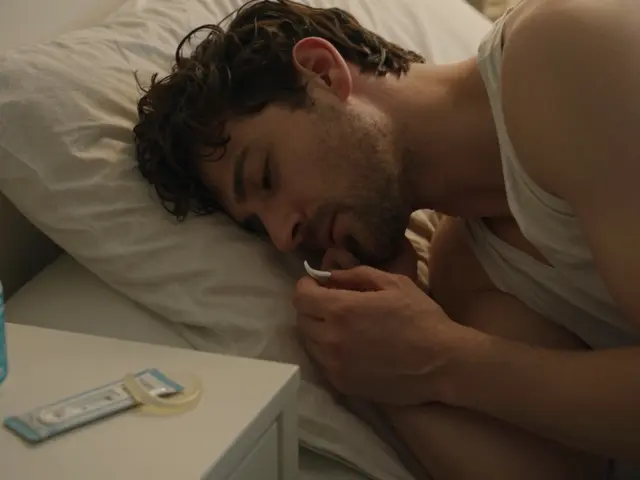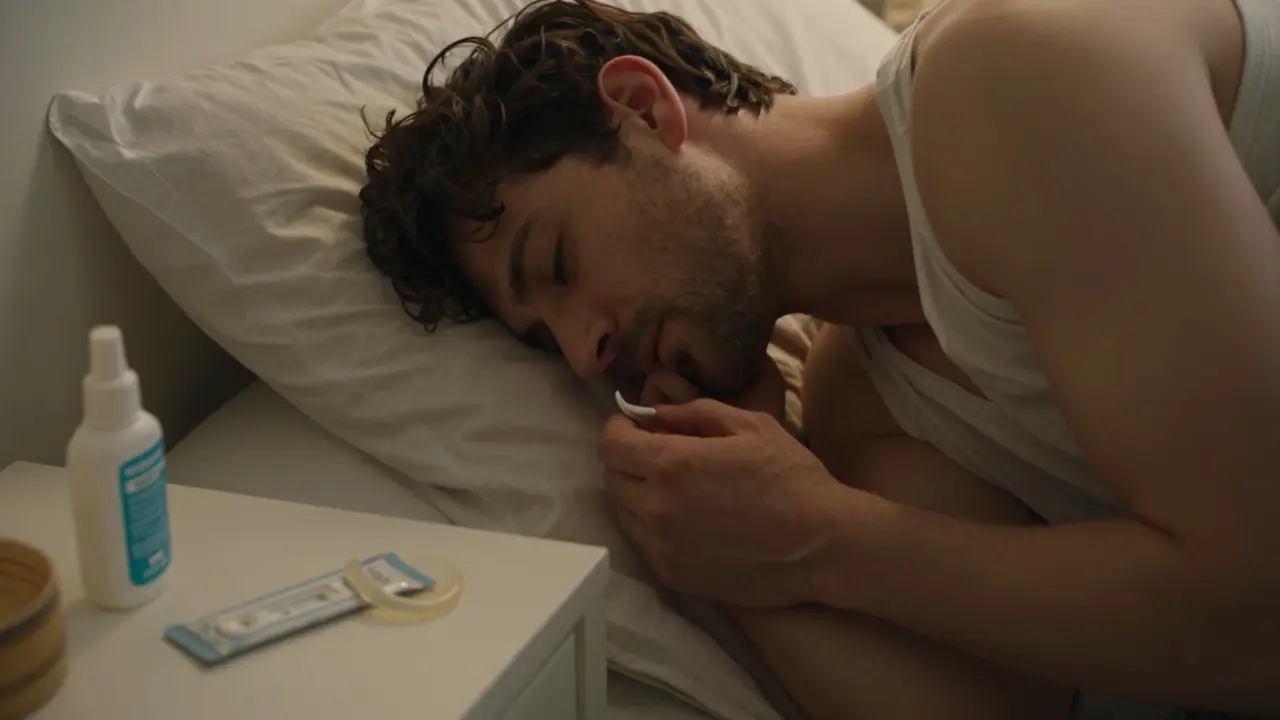
Oral sex without a condom is common. Many people do it because it feels more intimate, more natural, or simply because they don’t think it’s risky. But skipping protection isn’t harmless. Even though pregnancy isn’t a concern, STIs can still be passed through oral contact - and some of them are easier to catch this way than people realize.
What You Can Catch From Oral Sex Without a Condom
It’s not just HIV you need to worry about. The CDC reports that gonorrhea, chlamydia, syphilis, herpes, and HPV are all transmitted through oral sex. HPV alone is linked to throat cancers, and cases have been rising for over a decade. You don’t need to see visible sores or symptoms to pass something along. Many STIs stay silent until they’ve already spread.
A 2023 study in the Journal of Sexual Medicine found that 1 in 8 adults who reported having oral sex without a condom in the past year tested positive for an STI - even if they had no symptoms. That’s not rare. It’s common enough to be a real risk.
Who’s at Higher Risk?
Not everyone has the same level of risk. Factors like the number of partners, whether you or your partner have other STIs, and even oral health matter. If you have gum disease, mouth sores, or bleeding gums, your risk jumps. The lining of your mouth becomes more porous when inflamed, making it easier for viruses and bacteria to enter your bloodstream.
People with multiple partners or who have sex with partners who have multiple partners are at higher risk. But even in long-term monogamous relationships, testing history matters. If you haven’t both been tested recently, you’re assuming safety - not knowing it.
How to Reduce Risk Without a Condom
You don’t have to avoid oral sex to stay safe. You just need to make smarter choices. Here’s how:
- Get tested regularly - Every 3 to 6 months if you’re sexually active with more than one partner. Even if you feel fine, get checked. Many infections don’t show symptoms for weeks or months.
- Know your partner’s status - Don’t assume. Ask. If they’re hesitant to share, that’s a red flag. You don’t need to know their entire history - just whether they’ve been tested recently and what they were tested for.
- Check your mouth - Look for cuts, ulcers, or sores before engaging. If you’ve just had a tooth extraction, a canker sore, or even a bad brush that bled, wait a few days. Your mouth is more vulnerable when it’s damaged.
- Don’t swallow if you’re unsure - Swallowing semen or vaginal fluids increases exposure. While the risk isn’t zero without swallowing, it’s lower. Saliva has enzymes that help fight some infections, but it’s not a shield.
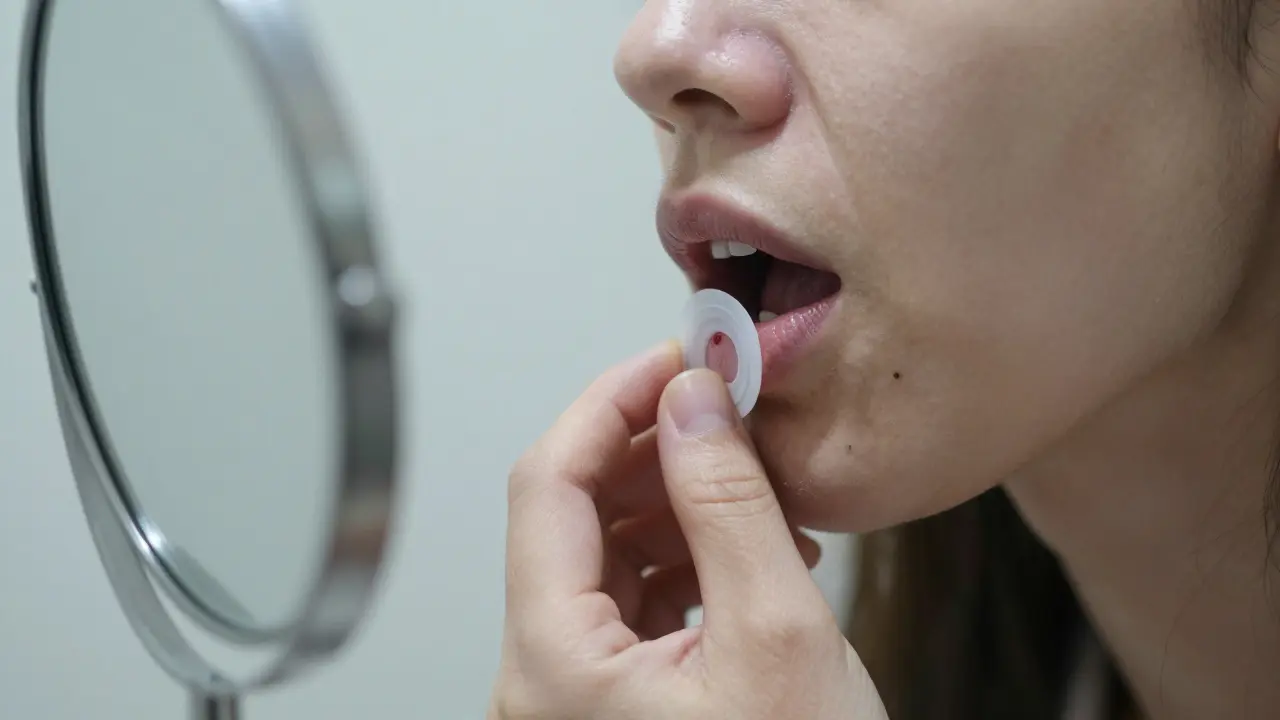
- Use dental dams - They’re thin, flexible sheets made for oral sex. They’re not as common as condoms, but they’re just as effective. You can buy them online or make one by cutting open a condom. They’re cheap, easy to use, and give you the same sensation without direct contact.
Why People Skip Protection - And Why That’s Dangerous
Many people think oral sex is "safe sex" because it doesn’t lead to pregnancy. That’s a myth. Safe sex isn’t just about pregnancy. It’s about preventing disease. Another myth is that you’d know if your partner had an STI - you wouldn’t. Most people don’t show symptoms. And even if they did, some infections take months to appear.
Some people avoid condoms because they feel it ruins the experience. But the difference in sensation between using a dental dam and going bare is minimal. Most people can’t tell the difference. What they can tell is when they’re sick.
What to Do If You’ve Had Unprotected Oral Sex
If you’ve had unprotected oral sex and you’re worried, don’t panic - but don’t wait either. Here’s what to do next:
- Wait 2 weeks before testing for most STIs - Some tests aren’t accurate before then. Gonorrhea and chlamydia can show up in 7-10 days, but herpes and syphilis may take longer.
- Get tested at a clinic - Don’t rely on home kits. They’re not always reliable for oral STIs. A healthcare provider can swab your throat and genitals properly.
- Avoid all sexual contact until you get results - Even if you feel fine, you could be contagious.
- Tell your partner - Not to blame them, but so they can get tested too. STIs don’t care about blame. They just spread.

Myths That Are Putting People at Risk
Let’s clear up a few dangerous myths:
- Myth: "You can’t get HIV from oral sex." Reality: It’s rare, but it’s possible - especially if there’s blood involved or if you have cuts in your mouth.
- Myth: "If I’m on PrEP, I’m protected." Reality: PrEP only protects against HIV. It does nothing for gonorrhea, syphilis, or herpes.
- Myth: "My partner is clean, so we’re fine." Reality: "Clean" isn’t a medical term. Without recent testing, you’re guessing.
When to Talk to a Doctor
You don’t need to wait for symptoms. If you’ve had unprotected oral sex and you’re unsure about your risk, schedule a checkup. Doctors see this all the time. They won’t judge. They’ll help.
Ask for a throat swab, a urine test, and a blood test. If you’re sexually active, make this part of your regular health routine - like brushing your teeth. It’s just as important.
Final Thought: Protection Isn’t About Trust - It’s About Responsibility
Trust is great. But in sexual health, trust doesn’t replace testing. Love doesn’t block viruses. Chemistry doesn’t stop bacteria. The only thing that works is knowledge and action.
Oral sex without a condom can be part of a healthy sex life - as long as you’re not ignoring the risks. You don’t have to be scared. But you do need to be informed. And the best way to stay safe isn’t by avoiding pleasure - it’s by making smart choices before you start.
Can you get an STI from oral sex even if there’s no ejaculation?
Yes. STIs like herpes, syphilis, and HPV can spread through skin-to-skin contact, even without fluids. Pre-cum, vaginal fluids, and even saliva can carry infections. You don’t need to ejaculate or orgasm for transmission to happen.
Is a dental dam really necessary if I’m in a monogamous relationship?
If both partners have been tested for all relevant STIs within the last 3 months and have had no other partners since, the risk is very low. But if either person has had other partners in the past - or if testing was done more than 6 months ago - a dental dam is still the safest option. Past behavior affects present risk.
Can you get HIV from swallowing semen during oral sex?
It’s possible, but extremely rare. The risk increases if you have mouth sores, bleeding gums, or an untreated STI. The stomach’s acid kills most HIV, but the mouth isn’t the stomach. If you’re concerned, get tested. A single exposure doesn’t mean infection - but it does mean you should know for sure.
Do condoms protect against all STIs during oral sex?
Latex condoms are very effective at blocking fluids, so they reduce risk for gonorrhea, chlamydia, and HIV. But they don’t cover all skin areas. Herpes and syphilis can spread from sores outside the condom’s reach. Dental dams cover more surface area and are better for oral contact.
How often should I get tested if I have oral sex without protection?
Every 3 months if you’re sexually active with multiple partners or if you’re unsure of your partner’s status. If you’re in a monogamous relationship and both tested negative 3+ months ago, once a year is fine. But if you skip protection, testing should be non-negotiable - not optional.