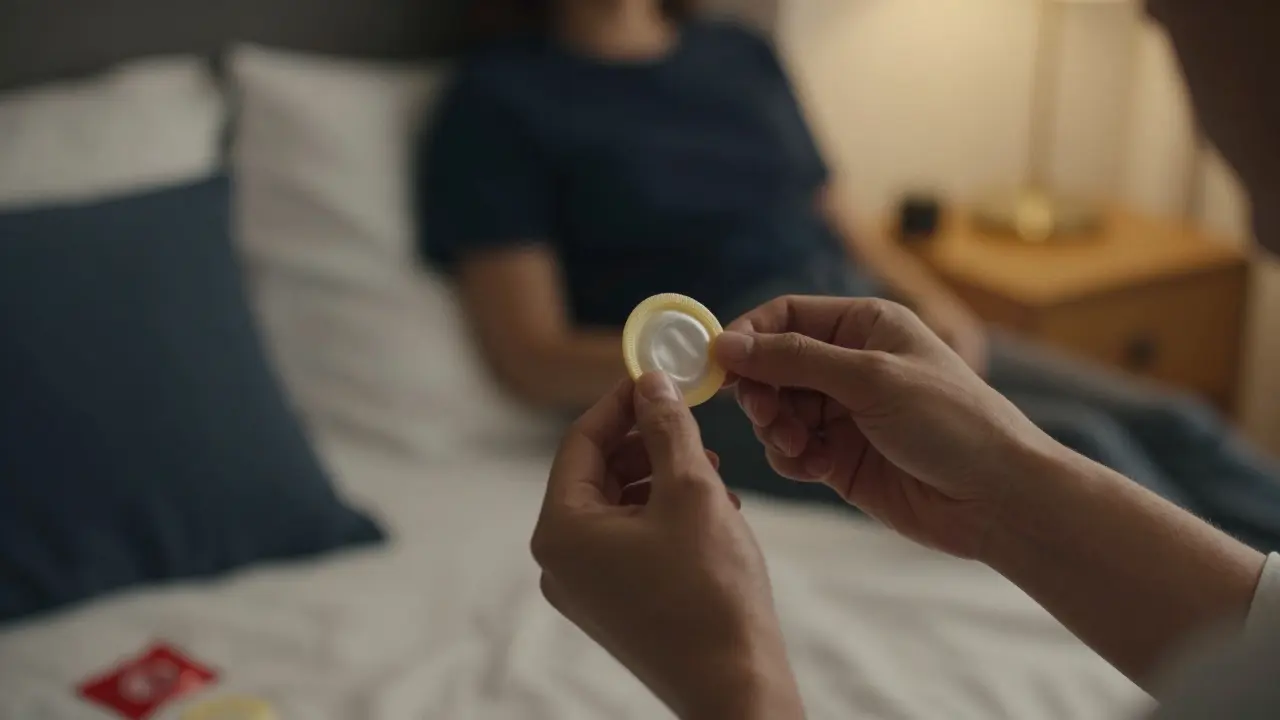
Oral sex without a condom or dental dam is common. Many people do it without thinking twice. But just because it’s common doesn’t mean it’s risk-free. The truth is, you can catch sexually transmitted infections (STIs) from oral sex-even if there’s no penetration, no ejaculation, and no visible symptoms.
STIs You Can Get From Oral Sex
You don’t need to have intercourse to catch chlamydia, gonorrhea, or syphilis. These infections live in the throat, mouth, and genitals. If someone has gonorrhea in their throat and performs oral sex on you, you can get it in your genitals-or vice versa. The same goes for chlamydia. The Centers for Disease Control and Prevention (CDC) reports that throat gonorrhea cases have risen 50% in the last decade, and many people don’t know they have it because symptoms are often mild or absent.
Syphilis is another silent threat. Sores from syphilis can appear on the lips, tongue, or inside the mouth. If you perform oral sex on someone with a syphilis sore, you can get infected. Left untreated, syphilis can spread to your brain, heart, and nervous system.
Herpes is even more common. Type 1 herpes (usually linked to cold sores) and Type 2 (usually linked to genital sores) can both spread through oral contact. If your partner has a cold sore and gives you oral sex, you can get genital herpes. If you have genital herpes and perform oral sex, you can give your partner oral herpes-even if you don’t have an active outbreak. The virus can shed without visible signs.
Hepatitis B is another concern. It spreads through bodily fluids, including saliva if there’s blood present (from gum disease, cuts, or sores). While vaccination prevents it, many people haven’t been vaccinated, especially those born before the 1990s.
And then there’s HIV. The risk is low compared to anal or vaginal sex, but it’s not zero. If you have cuts, sores, or bleeding gums in your mouth, and you perform oral sex on someone with HIV who isn’t on treatment, transmission is possible. The CDC estimates that the risk of HIV from receptive oral sex is less than 1 in 10,000 per act-but that’s still a risk worth understanding.
Why People Think It’s Safe
A lot of people assume oral sex is “safe sex” because there’s no pregnancy risk. That’s true-but safety isn’t just about pregnancy. It’s about infection. The myth that oral sex is harmless sticks because:
- People don’t talk about it openly.
- Symptoms often don’t show up right away.
- Many STIs don’t cause pain or obvious signs.
- Doctors rarely ask about oral sex during checkups.
One 2023 study in the Journal of Sexual Medicine found that 68% of adults under 30 believed oral sex carried “no risk” of STIs. That number dropped to 41% among those who’d been tested for STIs in the past year. The gap tells you something: awareness comes from experience, not assumptions.
How to Reduce the Risk
You don’t have to give up oral sex to stay safe. You just need to make smart choices.
- Use condoms or dental dams. Latex condoms for penile oral sex and dental dams for vaginal or anal oral sex are the most effective barrier methods. They’re cheap, easy to find, and work. If you’re uncomfortable with dental dams, you can cut open a condom lengthwise to make a flat barrier.
- Get tested regularly. If you’re sexually active with more than one partner, get tested for STIs every 3 to 6 months. Ask for throat and rectal swabs-most clinics only test blood and urine unless you ask.
- Know your partner’s status. Have an open conversation. Don’t assume. You can’t tell if someone has an STI by looking at them.
- Avoid oral sex if you have mouth sores, bleeding gums, or a sore throat. Open wounds in your mouth increase your risk dramatically. Brushing your teeth right before oral sex can create tiny cuts. Wait at least an hour after brushing.
- Get vaccinated. Hepatitis B and HPV vaccines protect against infections that can spread through oral contact. HPV is linked to throat cancer, and vaccination reduces that risk by up to 90%.
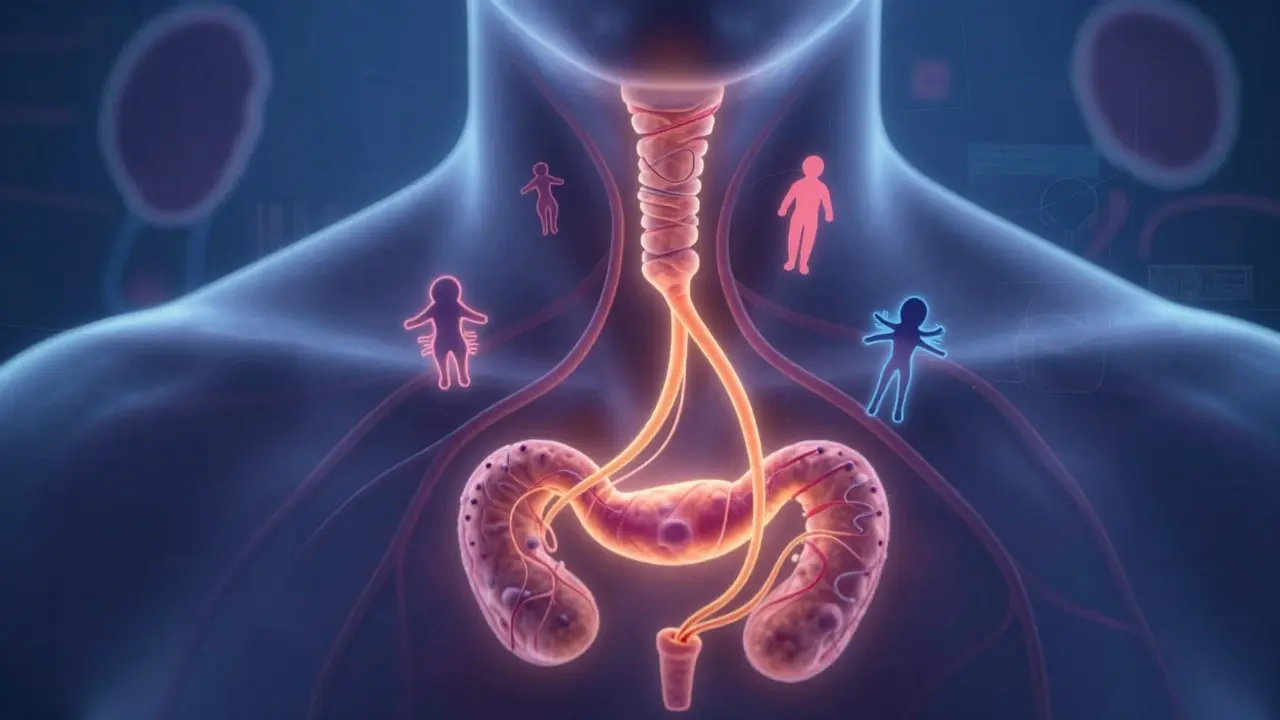
What to Do If You’ve Had Unprotected Oral Sex
If you’ve had unprotected oral sex and are worried:
- Don’t panic. Most STIs are treatable.
- Don’t wait for symptoms. Many don’t show up for weeks or months.
- Get tested. Request throat swabs, urine tests, and blood work. Tell the clinic you had oral sex so they know what to test for.
- Avoid all sexual contact until you get results.
- If your partner was diagnosed with an STI, get treated even if your test is negative. Some infections take time to show up.
Why This Matters Beyond Health
Unprotected oral sex isn’t just a health issue-it’s a communication issue. People who talk openly about sexual health tend to have safer, more satisfying sex lives. Those who avoid the conversation often end up with anxiety, shame, or worse-untreated infections.
Sexual health isn’t about fear. It’s about control. When you know the risks and how to protect yourself, you’re not being cautious-you’re being confident. You’re not being awkward-you’re being responsible.
There’s no shame in using a dental dam. There’s no weakness in asking a partner to get tested. And there’s no dignity in pretending risks don’t exist.
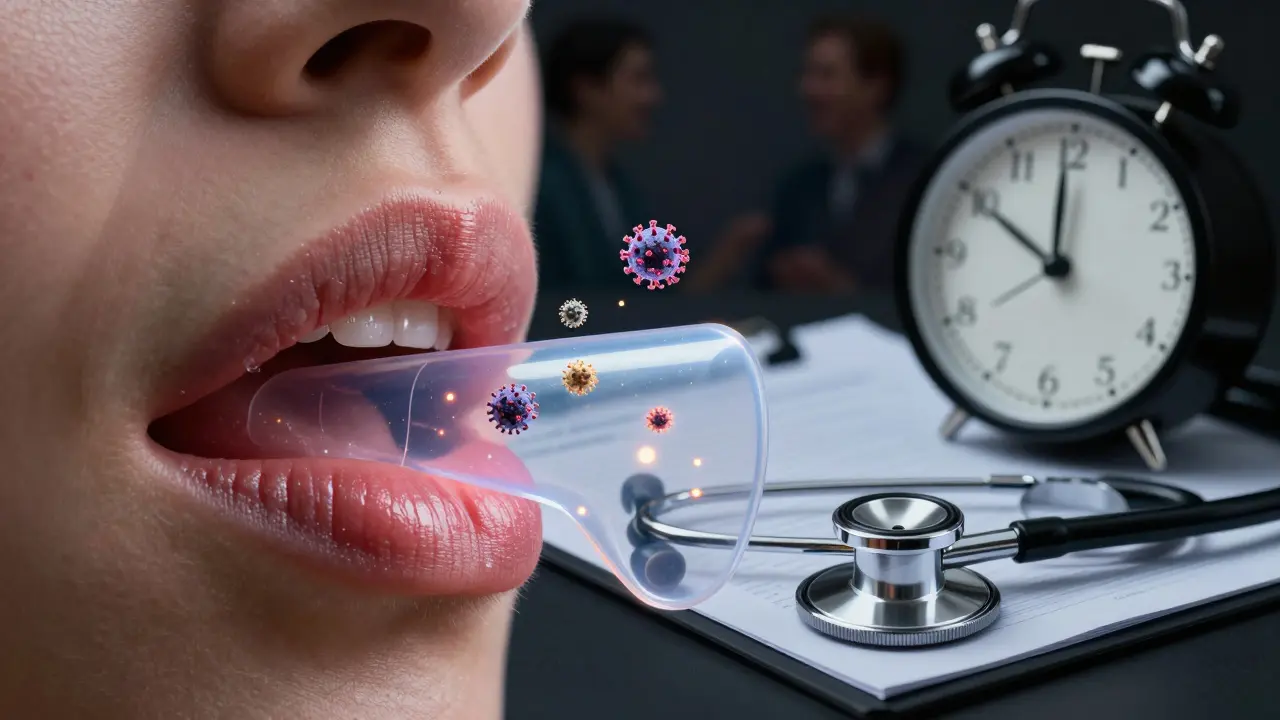
Real Talk: What People Don’t Tell You
One woman in her late 20s told me she got throat gonorrhea after a one-night stand. She had no symptoms. She didn’t know until she got a routine STI test because her partner had been diagnosed. She said, “I thought I was being careful. I didn’t think oral counted.”
A man in his early 30s got syphilis from oral sex. He had a tiny sore on his lip he thought was a pimple. He didn’t tell anyone for weeks. By the time he went to the doctor, the infection had spread to his spine. He needed six weeks of antibiotics.
These aren’t rare stories. They’re becoming more common. And they’re preventable.
Final Thought
Oral sex without protection isn’t “safe.” It’s a gamble with your health. The odds might seem low-but when it comes to your body, you don’t want to rely on luck. You want to make the choice. And the choice is simple: use protection, get tested, talk openly.
You don’t need to be perfect. You just need to be informed.
Can you get HIV from oral sex without a condom?
Yes, but the risk is very low. HIV transmission through oral sex is rare and usually only happens if the person performing oral sex has cuts, sores, or bleeding gums in their mouth, and the partner has a high viral load and isn’t on treatment. Using a condom or dental dam removes this risk entirely.
Does oral sex cause throat cancer?
Not directly, but the human papillomavirus (HPV), which can spread through oral sex, is linked to oropharyngeal (throat) cancer. HPV-related throat cancer cases have increased by over 300% in the last 30 years. Vaccination against HPV reduces this risk by up to 90%.
Can you get STIs from kissing?
Yes, if there’s an open sore or bleeding. Herpes (cold sores) is the most common STI spread through kissing. Syphilis can also spread through deep kissing if there’s a sore in the mouth. Casual kissing with no sores carries almost no risk.
How often should you get tested for STIs if you have oral sex?
If you have multiple partners or new partners, get tested every 3 to 6 months. Ask for throat swabs and rectal swabs in addition to blood and urine tests. Many clinics don’t offer these unless you specifically request them.
Are dental dams effective for oral sex?
Yes. Dental dams are latex or polyurethane sheets designed to block bodily fluids during oral-vaginal or oral-anal contact. They’re just as effective as condoms for preventing STI transmission. If you don’t have one, you can cut open a condom to make a flat barrier.
Can you get an STI from giving oral sex if you have a cold sore?
Yes. If you have a cold sore (oral herpes), giving oral sex can transmit herpes to your partner’s genitals. Herpes can spread even without visible sores due to viral shedding. Avoid oral sex during outbreaks and consider antiviral medication if outbreaks are frequent.
Is it safe to have oral sex after brushing your teeth?
No. Brushing your teeth can cause tiny cuts or abrasions in your gums, which make it easier for STIs to enter your bloodstream. Wait at least an hour after brushing before engaging in oral sex.