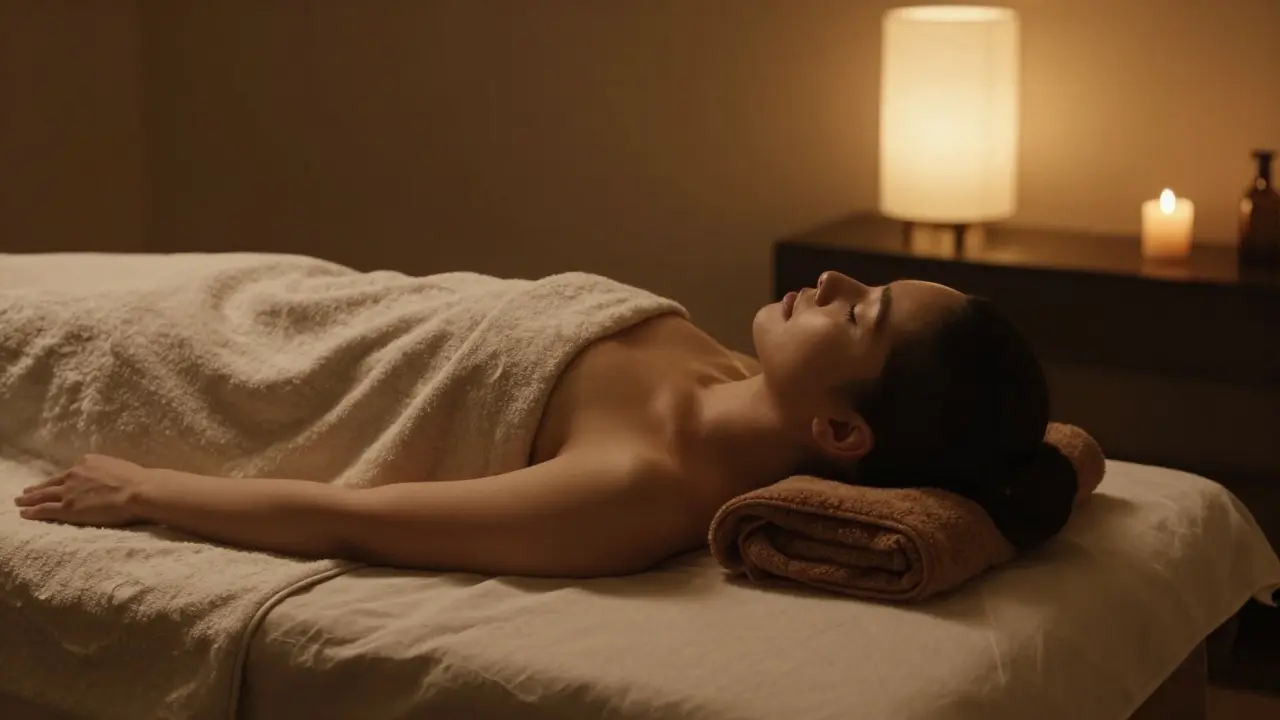
Most people think a Swedish massage is just about feeling good for an hour. But if you want to truly maximize your relaxation, it’s not just what the therapist does-it’s what you do before, during, and after. This isn’t about fancy oils or expensive spas. It’s about understanding how your body responds to touch, breath, and stillness-and using that knowledge to make every session count.
Know What Swedish Massage Actually Is
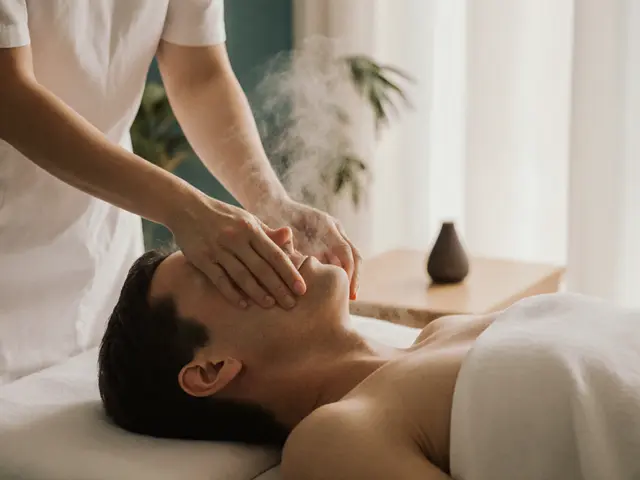
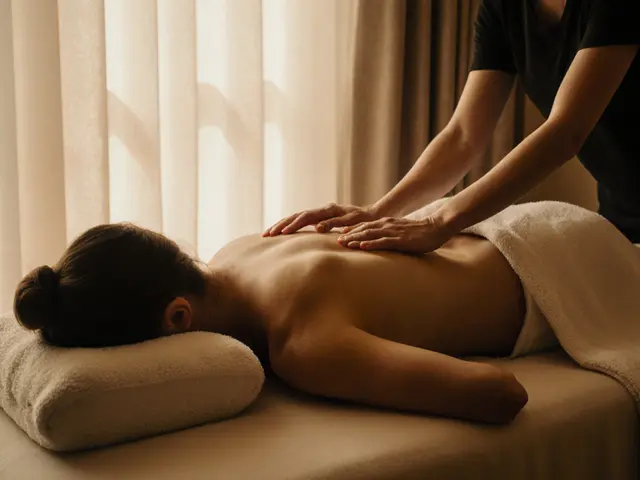
Swedish massage isn’t deep tissue. It’s not hot stone. It’s not a full-body detox ritual. It’s the foundation. Long, flowing strokes, kneading, circular movements, light tapping, and gentle stretching-all done with consistent pressure that’s firm but never painful. It’s designed to relax muscles, improve circulation, and calm the nervous system. The goal isn’t to break down knots; it’s to let your body melt into ease.
If you’ve ever left a massage feeling more tense than when you walked in, it’s probably because the therapist went too deep too fast. Swedish massage works best when it’s slow, rhythmic, and predictable. Your nervous system needs time to trust the touch. That’s why the first 10 minutes matter more than the last.
Prepare Your Body Before You Arrive
Showing up straight from work, with your phone buzzing and your mind still in meetings, won’t help. Your body needs a transition. Drink a glass of water 30 minutes before your session. It helps your muscles respond better to pressure and keeps your skin hydrated for smoother gliding.
Take five minutes to sit quietly before you enter the room. Breathe in through your nose for four counts, hold for two, and exhale through your mouth for six. Do that three times. It signals to your brain: ‘It’s time to let go.’ You don’t need to meditate. You just need to pause.
Avoid heavy meals two hours before. A full stomach makes it harder to relax deeply. Light snacks like a banana or a handful of almonds are fine if you’re hungry. But don’t eat anything that will sit in your gut like a rock.
Communicate-Even If You’re Shy
Therapists aren’t mind readers. If the pressure is too light, say so. If the music is too loud, mention it. If you’re cold, ask for an extra blanket. Most people stay silent because they think it’s rude. It’s not. It’s part of the process.
Try this simple phrase: “Can you go a little deeper here?” or “A bit lighter on my shoulders.” That’s all it takes. A good therapist will adjust instantly. If they don’t, they’re not listening-and you deserve better.
Don’t worry about sounding inexperienced. Even seasoned clients forget to speak up. The best sessions happen when you’re honest about what feels right for your body.
Let Go During the Session
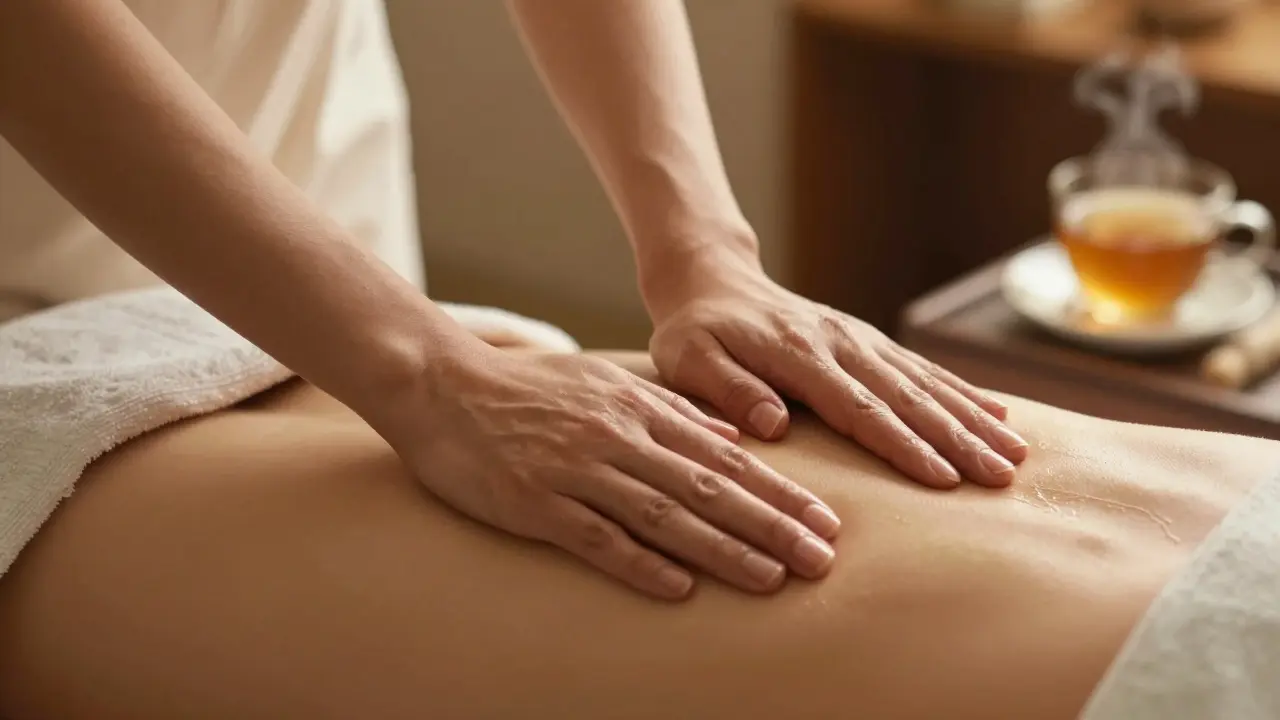
Relaxation isn’t passive. It’s an active choice. You can’t just lie there and hope it happens. You have to release.
Try this: As the therapist works on your back, imagine your muscles turning to warm honey. Not melting. Not collapsing. Flowing. Let your shoulders drop. Let your jaw unclench. Let your fingers go limp. If your mind starts racing about your to-do list, gently bring it back to your breath. In… out… in… out.
Some people cry during Swedish massage. Not because they’re sad. Because their body has been holding tension for years-and suddenly, it’s allowed to let go. That’s normal. Let it happen. There’s no shame in it.
Use the Right Environment
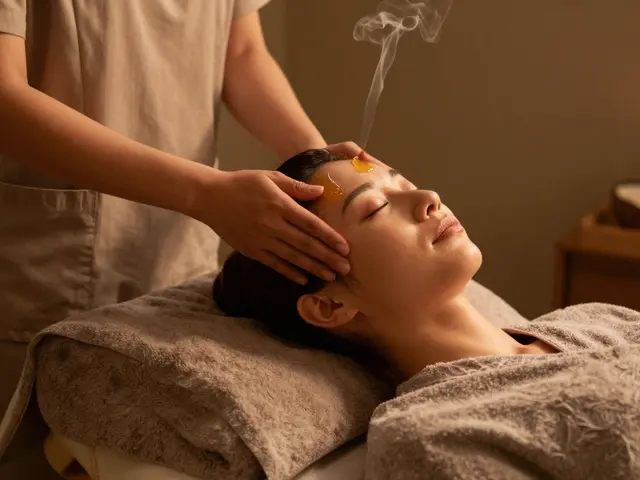
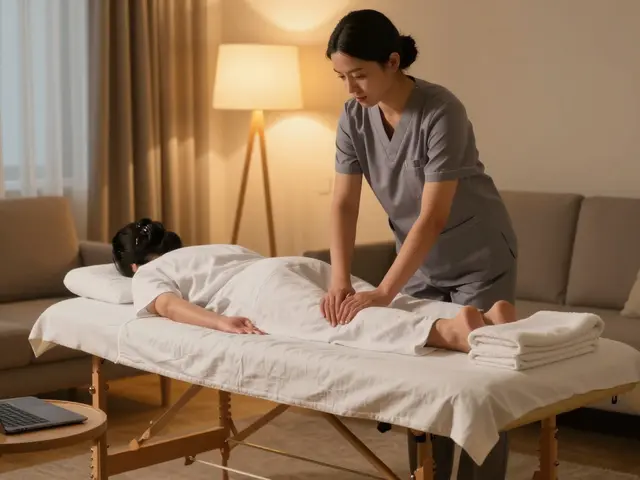
Lighting matters. Soft, warm light helps your brain switch from alert mode to rest mode. Harsh overhead lights? They keep your nervous system on edge. If you’re getting a massage at home or in a spa, ask for dimmed lights or candles. If you’re using a mobile therapist, bring a small lamp or use your phone’s night mode.
Temperature is just as important. Most people don’t realize how much cold affects relaxation. If the room is even slightly chilly, your muscles will tighten up. Ask for a heated table or extra blankets. A warm towel on your neck or lower back makes a huge difference.
Sound matters too. Nature sounds, soft piano, or silence are best. Avoid anything with lyrics or sudden beats. Your brain doesn’t relax to music-it relaxes to absence of stress.
What to Do After the Massage
Don’t jump up and check your phone. Don’t rush to your car. Don’t head straight to your next meeting. Your body is still in recovery mode.
Wait at least 15 minutes after the session ends. Sip warm water or herbal tea. Avoid caffeine. It reverses the calming effects. Walk slowly if you can-just around the building or your home. Movement helps flush out metabolic waste released during the massage.
For the next 24 hours, avoid intense workouts. Your muscles are in repair mode. A gentle walk or stretching is fine. But lifting heavy weights or doing HIIT? That’s counterproductive.
Take a warm bath with Epsom salts. Magnesium helps reduce muscle soreness and supports deeper relaxation. Add a few drops of lavender oil if you have it. Don’t overdo it-just enough to smell it.

Make It a Habit, Not a Treat
One massage a year won’t change your stress levels. Consistency is what transforms relaxation from a luxury into a lifeline.
Try scheduling a Swedish massage every three to four weeks. That’s the sweet spot for maintaining lower cortisol levels, better sleep, and reduced muscle tension. If that’s too expensive, look for community clinics, massage schools, or wellness centers that offer discounted rates for students or seniors.
Some people start with monthly sessions and then switch to every six weeks once they feel the benefits. There’s no rule. Just notice how your body feels after each one. If you wake up feeling lighter, less stiff, and more calm-you’re on the right track.
What Doesn’t Work
Swedish massage isn’t magic. It won’t fix chronic pain from a herniated disc. It won’t cure anxiety disorders. It won’t replace therapy or medical care. But it can make all of those things easier to manage.
Don’t expect instant transformation. The first session might feel nice, but the real changes show up after the third or fourth. Your body learns to relax slowly. Like learning a new language. You don’t become fluent overnight.
And avoid therapists who promise “detox,” “energy balancing,” or “chakra clearing.” These aren’t part of Swedish massage. Stick to the basics: touch, rhythm, pressure, and presence.
Real Results, Real People
I’ve seen clients come in with neck pain from staring at screens all day. After three sessions, they stopped needing painkillers. Another client, a nurse working 12-hour shifts, started sleeping through the night after monthly massages. A retired teacher told me she hadn’t felt this calm since her 20s.
These aren’t outliers. They’re people who showed up, listened to their bodies, and gave themselves permission to rest. That’s all it takes.
Can I get a Swedish massage if I have chronic pain?
Yes, but be upfront about your condition. Swedish massage is gentle enough for most chronic pain conditions like arthritis, fibromyalgia, or lower back discomfort. The key is light-to-medium pressure and avoiding direct pressure on inflamed areas. Always consult your doctor first if you’re unsure.
How often should I get a Swedish massage for best results?
Every three to four weeks is ideal for most people. This keeps stress hormones low and muscles loose without overdoing it. If you’re under high stress or recovering from injury, once a week for a month can jumpstart improvement, then taper off to monthly.
Do I need to be naked during a Swedish massage?
No. You’re covered with a sheet or towel the whole time. Only the area being worked on is uncovered, and only for a few seconds. Most people keep their underwear on. What matters is that you feel safe and comfortable. Tell your therapist your boundaries-they’ll respect them.
Is Swedish massage safe during pregnancy?
Yes, but only with a therapist trained in prenatal massage. They’ll use special positioning and avoid certain pressure points. Many pregnant women find it helps with swelling, back pain, and sleep. Always check with your OB-GYN first.
Why do I feel tired after a Swedish massage?
It’s normal. Your nervous system shifts from fight-or-flight to rest-and-digest mode. That’s a big change. Your body is processing the release of tension and toxins. Drink water, rest, and avoid caffeine. Most people feel energized the next day.
If you’ve been putting off massage because you think it’s too expensive, too time-consuming, or just not for you-try one session with these tips in mind. You might be surprised how much your body has been holding onto. And how easy it is to let go.