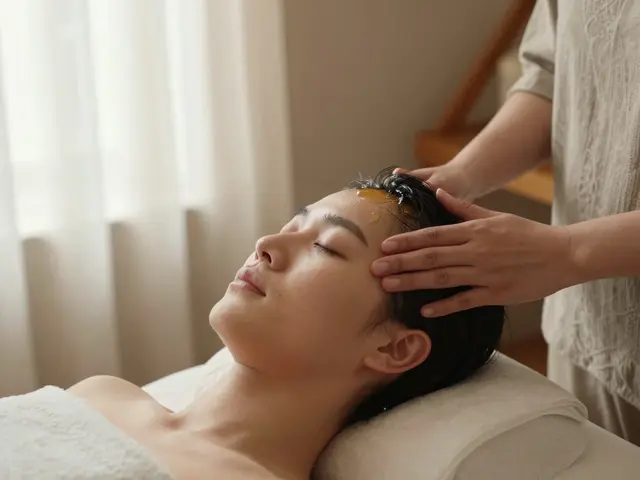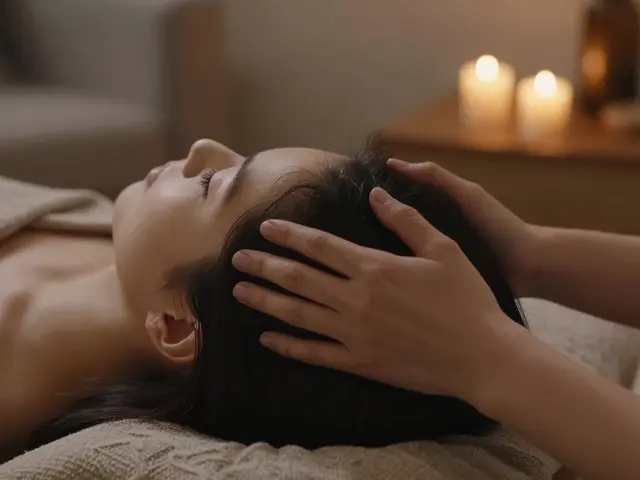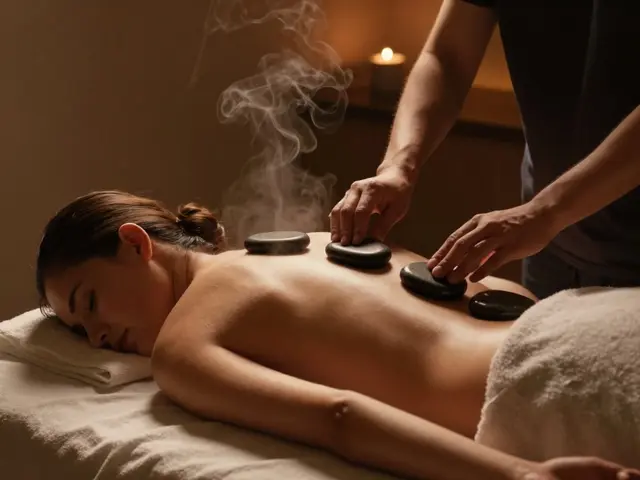
How long should an Indian head massage take? The answer isn’t one-size-fits-all, but most sessions last between 30 and 45 minutes for full effectiveness. Shorter sessions of 15 to 20 minutes can still offer relief, but if you’re looking to truly unwind, reduce tension, and feel the deep benefits, you need at least half an hour. This isn’t just about time-it’s about rhythm, pressure, and letting the oils and touch work through your scalp, neck, and shoulders.
Why Timing Matters in an Indian Head Massage
An Indian head massage isn’t just rubbing your scalp. It’s rooted in Ayurveda, an ancient system of healing that treats the body as a network of energy points. The massage targets 107 vital points, mostly concentrated in the head, neck, and upper back. If you rush it, you skip the deeper layers of tension. A 10-minute session might feel nice, but it won’t release the tightness around your temples or loosen the muscles that pull your jaw tight after hours at a computer.
Think of it like brewing tea. A quick steep gives you flavor, but a full steep gives you depth. The same goes for this massage. The first 10 minutes warm up the skin and oil. The next 15 to 20 minutes work on the pressure points-forehead, behind the ears, the base of the skull. The final 10 minutes slow everything down, letting your nervous system shift from fight-or-flight to rest-and-digest.
What Happens in a 30-Minute Session
A standard 30-minute Indian head massage follows a clear flow:
- 0-5 minutes: Warm oil (usually sesame, coconut, or almond) is gently applied to the scalp. Light circular motions begin to stimulate blood flow.
- 5-15 minutes: Fingertips press and knead the forehead, temples, and areas around the eyes. This eases headaches and eye strain.
- 15-25 minutes: The massage moves to the back of the head, neck, and shoulders. Pressure is applied along the spine and trapezius muscles, which often hold the most stress.
- 25-30 minutes: Gentle strokes and light tugging on the hair help release any lingering tension. The session ends with slow, calming movements to ground you.
This timing lets the oil penetrate, the muscles relax, and your mind settle. People who get this regularly say they feel clearer-headed, sleep better, and notice fewer tension headaches within a week.
When a Shorter Session Works
Not everyone has 30 minutes. If you’re at a busy spa, on a lunch break, or just want a quick reset, a 15- to 20-minute session still helps. It’s perfect for:
- Relieving a sudden tension headache
- Calming anxiety before a meeting or presentation
- Refreshing your mind after staring at a screen all morning
Even 10 minutes of focused scalp rubbing can lower cortisol levels. A 2023 study from the University of Miami found that just 10 minutes of scalp massage reduced stress markers in participants by 28%. So if you’re short on time, don’t skip it-just adjust your expectations. You won’t get the full Ayurvedic effect, but you’ll still get relief.
When to Go Longer: 45 Minutes and Beyond
Some spas offer 60-minute sessions. These are ideal if you:
- Have chronic neck or shoulder pain
- Deal with frequent migraines or sinus pressure
- Are recovering from stress, illness, or burnout
A 45-minute session adds time for deeper work on the shoulders, upper back, and even the arms. The therapist may include gentle stretches, acupressure on the hands, or even a light facial massage. This extended version is often called a “complete Ayurvedic head and neck treatment.” It’s not just a massage-it’s a reset.
People who’ve tried both say the 45-minute version feels like hitting a reset button on their entire nervous system. One client, a nurse working 12-hour shifts, told me she noticed her sleep improved and her migraines dropped from twice a week to once a month after switching to 45-minute sessions twice a month.
What Not to Do: Common Mistakes
Time isn’t the only thing that matters. Here’s what can ruin even the best-length session:
- Using too much oil: A little goes a long way. Too much makes your hair greasy and the massage slippery, reducing control and pressure.
- Skipping the neck: The neck carries 70% of the tension people hold. If the therapist only focuses on the scalp, you’re missing half the benefit.
- Getting rushed: If the therapist keeps checking the clock or moves too fast, the massage loses its meditative quality. You should feel like time slows down.
- Showering right after: Wait at least 30 minutes before washing your hair. The oil needs time to absorb into the scalp and follicles.
How Often Should You Get One?
For general wellness, once every two weeks works well. If you’re under constant stress, weekly sessions for a month can make a big difference. After that, you can drop to every three weeks. Athletes, office workers, and people with long hair often find regular sessions help with hair growth, reduced breakage, and better circulation.
There’s no harm in doing it more often if you enjoy it. Unlike deep tissue massage, Indian head massage is gentle enough for daily use-even just 5 minutes at home with a little oil can help.
DIY at Home: How to Make It Work
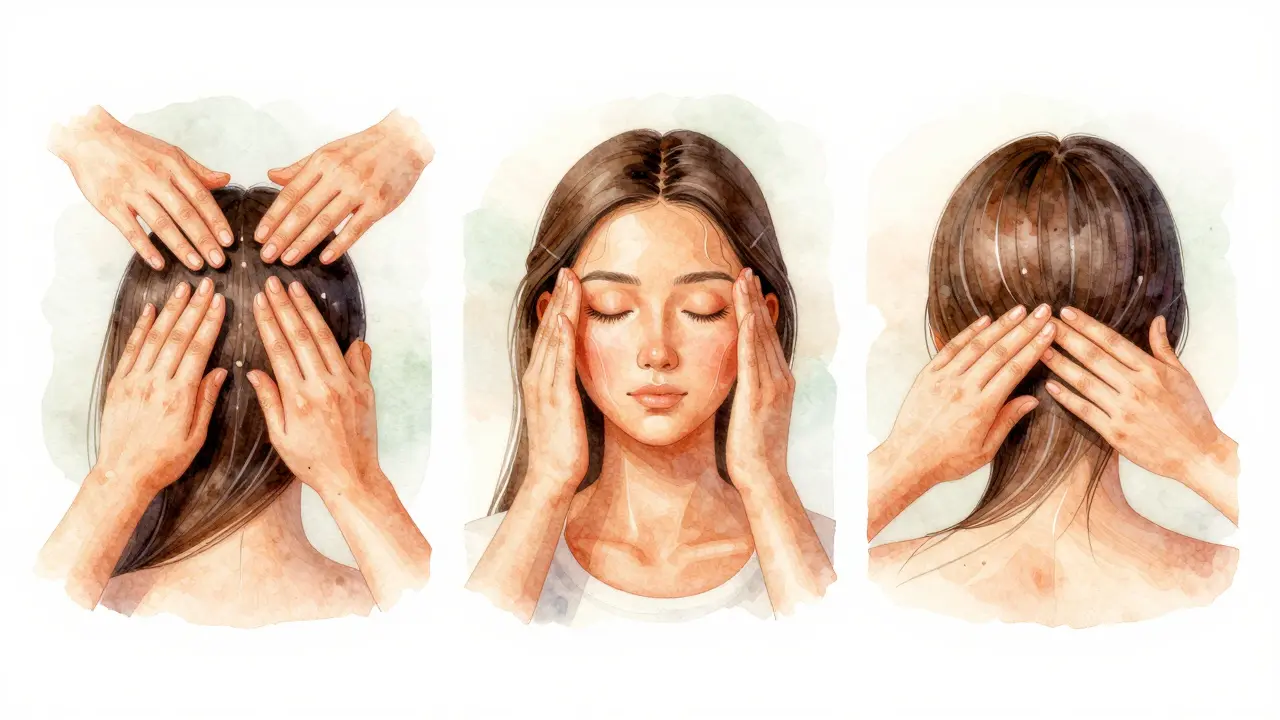
You don’t need a spa to benefit. Try this simple 15-minute routine:
- Warm 1-2 teaspoons of coconut or almond oil in your hands.
- Apply to your scalp, starting at the forehead and moving back.
- Use your fingertips to make small circles over your entire scalp for 5 minutes.
- Use your thumbs to press along the hairline, then move down to the neck and shoulders.
- End by gently pulling your hair from root to tip, 5-10 times.
Do this before bed. The warmth and rhythm signal your brain it’s time to wind down. Many people fall asleep within minutes.

What to Expect After
Right after a session, you might feel:
- Light-headed or slightly dizzy (this is normal-your blood flow changed)
- Relaxed but alert (not sleepy, just calm)
- A slight tingling in your scalp or fingers
Within a few hours, you’ll notice:
- Less tension in your jaw or neck
- Better sleep that night
- Improved focus the next day
Some people experience a detox effect-mild headache or fatigue-after their first few sessions. This happens as toxins are released from tight muscles. Drink water and rest. It passes quickly.
Who Should Avoid It?
Indian head massage is safe for most people. But skip it if you have:
- Recent head or neck injury
- Open wounds, infections, or severe scalp conditions like psoriasis
- High fever or acute illness
- Severe osteoporosis in the neck area
If you’re pregnant, talk to your doctor first. Many women find it helpful for nausea and headaches, but pressure points near the neck should be handled gently.
How long should an Indian head massage last for beginners?
Beginners should start with a 30-minute session. This gives enough time to feel the benefits without being overwhelming. Shorter sessions (15-20 minutes) are fine if you’re just testing it out, but 30 minutes is the sweet spot for real results.
Can I do an Indian head massage on myself?
Yes, you can. Use warm oil and focus on circular motions on the scalp, pressure along the hairline, and gentle kneading of the neck. Even 10-15 minutes a few times a week helps reduce stress and improve circulation. You won’t get the same depth as a professional, but it’s still effective.
Why does my head feel tingly after a head massage?
Tingling is normal. It means increased blood flow and nerve stimulation. The massage activates pressure points connected to your nervous system. This sensation usually fades within 10-15 minutes. If it lasts longer or turns painful, stop and consult a professional.
Should I wash my hair right after an Indian head massage?
No. Wait at least 30 minutes, ideally an hour, before washing. The oil needs time to absorb into your scalp and hair follicles. Washing too soon reduces the benefits and leaves your hair greasy. If you’re worried about oil, use a light shampoo and rinse with cool water.
Is an Indian head massage better than a regular scalp massage?
It’s more comprehensive. A regular scalp massage focuses only on the head. An Indian head massage includes the neck, shoulders, and sometimes arms. It works on energy points tied to digestion, sleep, and mood, not just relaxation. The Ayurvedic approach treats the whole upper body as a connected system.
Final Thoughts
The right length for an Indian head massage depends on your goal. For quick relief, 15 minutes works. For real transformation, aim for 30 to 45. The key isn’t just the clock-it’s consistency, pressure, and letting the oil and touch do their work. Whether you go to a spa or do it yourself, making time for this ritual is one of the simplest ways to reset your body and mind in a busy world.