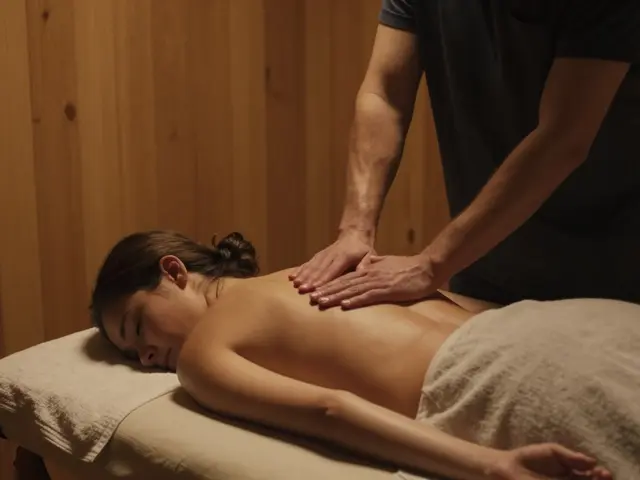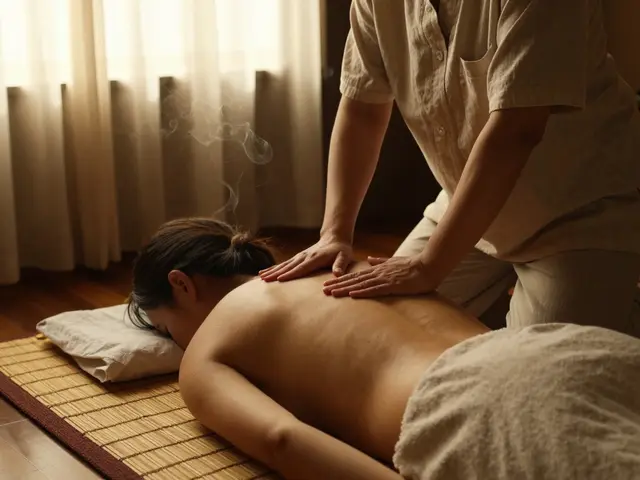
Living in London means navigating a constant hum of energy, traffic, and pressure. Between the Tube rush and late office nights, your body stores stress like unopened emails. You might have felt that tightness in your shoulders or the nagging stiffness in your lower back after another week of deadlines. Many people walk through these busy streets unaware that relief sits right in their neighborhoods. Massage Therapy is a hands-on treatment using soft tissue manipulation to reduce pain and improve circulation. In this city, access to professional care has evolved significantly, making it easier than ever to find authentic healing.
The Science Behind Physical Recovery
It isn't just relaxation; there is real physiology involved. When a trained therapist works on your muscles, they are mechanically breaking up adhesions that cause knots. Imagine tangled yarn being gently pulled apart. This action increases blood flow, delivering oxygen and nutrients to the area that needed them most. Studies show that regular sessions can lower cortisol levels, which is the hormone responsible for that feeling of chronic tension.
Beyond immediate comfort, the long-term impact on your nervous system is profound. By stimulating the parasympathetic nervous system, massage shifts you from "fight or flight" to "rest and digest." In a fast-paced environment like London, flipping this switch is vital. It helps regulate sleep patterns and reduces anxiety. For many commuters dealing with poor posture from sitting all day, this biological reset is often more effective than medication alone.
Styles Available Across the Capital
Swedish Massage is the foundational style focusing on long gliding strokes and light kneading. While classic and gentle, it serves as a great introduction for first-timers. You will commonly see this offered in spas across Mayfair and Soho. However, Londoners often seek more targeted approaches to match their specific lifestyles.
| Modality | Best For | Typical Duration |
|---|---|---|
| Deep Tissue | Chronic muscle pain, desk posture issues | 60-90 minutes |
| Sports Massage | Runners, cyclists, post-exercise recovery | 50-60 minutes |
| Thai Yoga Massage | Flexibility, stiff joints, yoga enthusiasts | 60 minutes |
| Reflexology | Stress management, foot pain | 30-45 minutes |
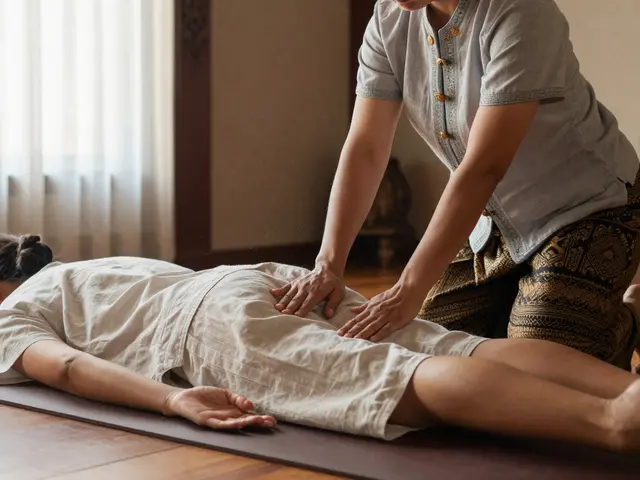
Deep Tissue Massage is a technique targeting deeper layers of muscle and connective fascia. Therapists here apply firm pressure. It isn't always comfortable during the process, but clients report significant relief afterward. This is particularly popular among City workers who suffer from upper back compression due to hunching over screens. Thai Yoga Massage is a passive stretching practice combining acupressure and rhythmic movement. You don't lie on a table but on a mat. It helps improve mobility, which many locals find lacking when stuck in sedentary jobs.
Regulations and Professional Standards
Choosing a provider in the capital requires checking credentials. Unlike some regions with loose oversight, reputable therapists in the UK belong to recognized associations. Bodies like the Federation of Holistic Therapists set strict guidelines for training and insurance. These organizations ensure practitioners have completed accredited courses.
Clients should look for certification numbers on clinic websites. A legitimate professional carries public liability insurance, protecting both parties during a session. Some areas in London have higher standards due to tourism density. Shops near Hyde Park or Regent Street, for instance, often adhere to stricter hygiene codes than private studios. Always ask about their sanitation practices, especially following recent global health updates.

What to Expect Regarding Costs
Pricing varies depending on the neighborhood and the therapist's seniority. Budget-friendly studios offer sessions starting around £50, while luxury wellness centers in prime locations charge upwards of £120 for a one-hour consultation. Keep in mind that 2026 economic trends have influenced pricing structures across the industry. Inflation has pushed costs slightly higher compared to previous years, but value remains high for certified experts.
Insurance coverage might also cover part of the cost. Some medical plans recognize musculoskeletal treatments. It is worth asking your provider if your policy includes complementary therapies. Even if direct reimbursement isn't available, keeping receipts for tax or expense accounts helps track wellness spending as an investment in productivity.
Finding the Right Provider Near You
With hundreds of venues, selection paralysis is common. Start by narrowing your search based on proximity. A salon closer to home encourages consistency, which is crucial for healing. Online directories list ratings and reviews, but read between the lines. Look for feedback mentioning communication skills and listening abilities, as these matter more than just room ambiance.
Consider the environment too. Do you prefer a quiet, minimalist setting or something warmer with music? A visit for a consultation before booking a full package allows you to gauge the atmosphere. Trust your instinct; comfort levels directly affect how relaxed your body becomes during treatment.

Who Can Benefit Most?
You might think massage is just for tourists or those recovering from sports injuries. The reality is broader. Office workers managing repetitive strain injury gain immense support. Parents dealing with sleep deprivation often find stress relief in craniosacral therapies. Older adults experiencing joint degeneration maintain flexibility through gentle techniques like lymphatic drainage.
The scope extends beyond physical ailments. Mental health professionals increasingly recommend touch-based therapy as part of anxiety management protocols. Regular sessions provide a designated time to disconnect from digital noise. In a city where technology never truly sleeps, having that offline block creates necessary mental space for emotional processing.
Tips for Maximizing Your Session
- Avoid heavy meals right before arrival to prevent discomfort.
- Hydrate thoroughly afterwards to help flush released toxins.
- Communicate pressure preferences clearly with your therapist.
- Take the day off work after an intensive deep tissue appointment.
- Track changes in your symptoms to note progress over weeks.
Frequently Asked Questions
Is massage therapy covered by health insurance in London?
Coverage varies widely depending on your private provider. While the NHS rarely covers massage, many private insurance plans offer partial reimbursement for physiotherapy-related treatments. Check your specific policy terms.
How often should I get a massage?
For maintenance, once a month is ideal. During acute injury phases, weekly sessions may be necessary until symptoms subside. Listen to your body's signals for tension buildup.
Are there safety risks associated with massage?
Risks are minimal when seeing certified professionals. Mention any recent surgeries, fractures, or skin conditions beforehand to avoid aggravation. Mild soreness afterwards is normal, sharp pain is not.
Can I wear clothes during the session?
Standard practice involves undressing to your comfort level under sheets, but specific styles like Thai Yoga Massage require clothing. Draping ensures your privacy and warmth throughout the treatment.
Does massage help with insomnia?
Yes, by lowering heart rate and cortisol, massage induces a deeper state of relaxation conducive to sleep onset. Many patients report sleeping better within days of their first appointment.